
Home Staging That Works in West Michigan
Good home staging in West Michigan is not about making a house look like a furniture showroom. It is about helping buyers understand the space quickly, notice the home’s strengths, and imagine how they would live there. That can mean different things in an older Grand Rapids home, a newer suburban property, a condo, a lake house, or a home with acreage. May Group’s home staging and photography tips are a useful starting point; this guide focuses on the changes that tend to matter most before the listing goes live.
For this post we spoke with Julie Schwallier, a popular home staging professional in Grand Rapids, and she had some key advice for what she wants buyers to notice first.
“West Michigan buyers value practicality and solid upkeep over flash, and many are family-focused, wanting function, storage, and flow. But before any of that registers, they decide how they feel within the first few steps through the door. I find what makes each home unique and build from the entrance, so buyers feel connected from the first step, even if they can’t say why.
Homeowners often misunderstand the purpose of staging. Great staging doesn’t transform a home, it reveals it. The goal is to enhance what’s already there, not to make a room something it isn’t. Clients tell me they never imagined their home could feel this way, and some want to move back in. All I change is the furniture, its placement, and its scale. Think of it as jewelry: the furniture isn’t competing with the house, it’s enhancing it and helping buyers see themselves living there.
Here in West Michigan, effective staging is cozy and natural, featuring warm textures and light for long gray winters—never a cold showroom. From Grand Rapids’s older neighborhoods like Heritage Hill to newer builds in Ada, it respects each home’s character rather than forcing one look. Staging doesn’t hide your home’s story. It helps buyers feel it.”
-Julie Schwallier
Key Takeaways
- Staging should clarify the home, not disguise it.
- Decluttering, cleaning, lighting, and furniture placement usually matter more than buying new decor.
- The living room, primary bedroom, and kitchen deserve particular attention because buyers often use these rooms to picture daily life in the home.
- Every room should have an obvious purpose and an easy path through it, without implying a legal use the room does not qualify for.
- Photos are part of staging because many buyers form their first impression online.
- West Michigan details such as mudrooms, basements, winter gear storage, outdoor areas, and natural light can influence how buyers experience the home.
Start With the Things Buyers Notice First
Sellers often jump straight to throw pillows, art, and decorative accessories. Those details can help, but they come after the fundamentals. Buyers notice cleanliness, clutter, odors, lighting, damaged finishes, crowded furniture, and confusing room layouts before they notice styling.
If the house needs more than light staging, start with May Group’s guide to getting your house ready to sell. The goal is to solve obvious distractions before adding anything decorative.
This priority-first approach also lines up with the National Association of Realtors’ 2025 Profile of Home Staging, which reported that 83% of buyers’ agents said staging made it easier for buyers to envision a property as their future home. The same report identified the living room, primary bedroom, and kitchen as especially important staging areas.
Declutter Enough to Show the Space, Not Empty It
A completely empty-looking house can feel cold, while an overfilled house can make rooms look smaller than they are. The goal is enough furniture and decor to establish scale and function without making buyers focus on the seller’s belongings.
Clear kitchen counters except for a few simple items. Reduce the number of objects on bathroom vanities. Thin out bookshelves. Remove extra chairs or side tables that narrow walking paths. In closets, reduce what is stored on floors and shelves so buyers can see the available space.
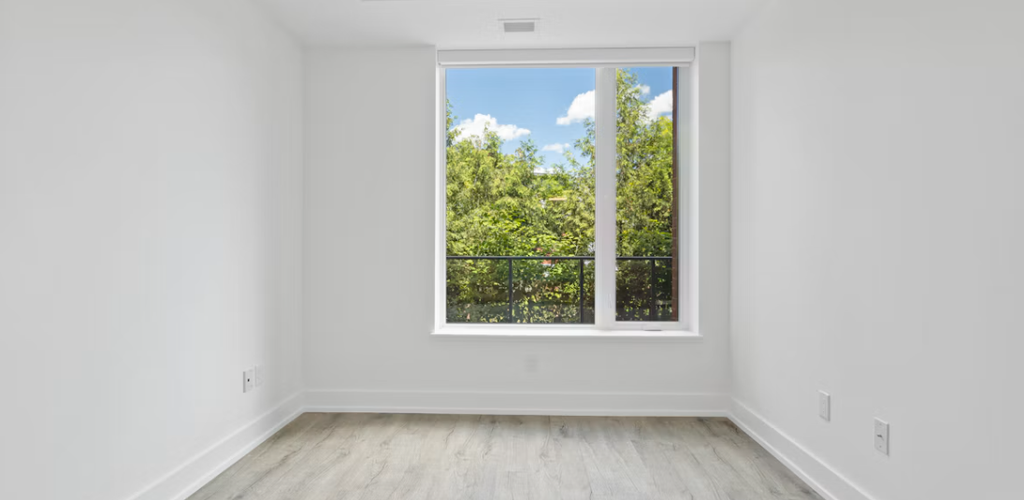
Give Every Room a Clear Job
Buyers should not have to wonder what a room is for. A small spare room might work well as a home office, guest space, or nursery, depending on its size, layout, and features. However, staging should not imply that a room qualifies as a legal bedroom if it does not meet applicable requirements.
This is especially useful in older Grand Rapids houses with unusual layouts, converted porches, bonus rooms, and finished attics. Staging can help explain how a space might function without overstating what the property legally offers.
Use Furniture to Improve Flow
The biggest sofa does not always belong in the living room during a sale. Furniture placement should make rooms feel balanced and easy to walk through. Pull pieces away from doorways, make sure buyers can reach windows and built-ins, and avoid blocking natural sightlines.
If a room feels small, rearranging or temporarily removing one piece of furniture often helps more than adding decorative items. Buyers need to see the room, not the furniture collection.
Lighting Is One of the Cheapest Staging Tools
West Michigan homes can feel dramatically different depending on the season and time of day. In fall and winter, shorter days and gray weather make good interior lighting even more important. Replace burned-out bulbs, use bulbs with consistent light color temperatures within each room, clean light fixtures, and open blinds or curtains for showings.
Dark corners can make a room feel smaller. A floor lamp or table lamp can sometimes do more for a showing than a new accessory or piece of art.
Paint Can Help, but Do Not Repaint Everything by Default
Neutral paint is useful when a color is very dark, highly personalized, badly marked, or makes a room feel disconnected from the rest of the house. But sellers do not need to turn every room into the same shade of beige.

If paint is one of the biggest visual issues, May Group’s guide to choosing the right paint and color scheme can help narrow the decision. The best pre-listing color choice is usually one that looks clean in person and photographs well.
Take Odors Seriously
Sellers become used to the way their own home smells. Buyers do not. Pet odors, cooking smells, smoke, damp basements, heavily scented plug-ins, and stale air can all affect a showing.
The goal is clean and neutral, not strongly perfumed. If odor is an issue, address the source rather than covering it up. May Group has a practical guide on ways to remove smells from a home that can help with common causes.
Stage the Entry for West Michigan Life
In West Michigan, the entryway, mudroom, or garage entry can be more important than sellers realize. Buyers think about wet shoes, winter coats, backpacks, sports gear, dog leashes, and everyday storage. A crowded mudroom can make the home feel less functional even when it has plenty of space.
Remove excess coats and shoes, make hooks and storage visible, and keep the path into the home clear. If the property has a bench, built-ins, lockers, or a functional drop zone, let those features stand out.
“West Michigan homes with mudrooms or usable entries are a huge bonus due to our area’s seasons. Buyers often walk in from rain, slush or snow; sellers should decide which entrance buyers will use. Put the lockbox on that door. In inclement weather, I recommend the seller place a durable, weather-ready mat or rug at that door so nothing gets tracked through the house. I can then stage the other entrances with rugs that won’t be ruined by the elements, since buyers won’t be walking through them.”
-Julie Schwallier
Make the Kitchen Feel Usable
The kitchen does not need to look untouched. It needs to feel clean, open, and easy to use. Clear most counters, remove papers and magnets from the refrigerator, clean appliances, and organize visible pantry or open-shelf areas.
If the kitchen is older, avoid trying to hide that fact with excessive styling. Good staging can make an older kitchen feel cared for, bright, and functional without pretending it is newly remodeled.
Keep Bedrooms Calm and Simple
Bedrooms usually stage best with fewer pieces, simple bedding, clear nightstands, and minimal personal items. The bed should fit the room comfortably. If the room feels cramped, rearranging furniture or temporarily removing a bulky piece can improve scale without requiring the seller to replace furniture.
Bathrooms Should Feel Clean Above Everything Else
Bathroom staging is mostly about condition. Repair visible caulk issues, clean grout, remove personal products, use fresh towels, and keep counters nearly empty. A spotless older bathroom often shows better than a newer bathroom that looks neglected.
Do Not Ignore the Basement
Basements are a major part of the buyer experience in many West Michigan homes. Whether finished or unfinished, basements should be clean, well-lit, organized, and easy to evaluate. Any signs of water intrusion or moisture problems should be addressed rather than concealed through staging.
In unfinished areas, organize storage away from mechanical systems and walls where practical. In finished basements, create a clear purpose for the main space and avoid filling every corner with leftover furniture.
Curb Appeal Is Part of Staging
The showing starts before the buyer reaches the front door. Mow, edge, trim, sweep, remove dead seasonal plants, clean the porch, and make sure house numbers and the entry are easy to see.
During fall and winter, keep leaves, snow, and ice under control. During spring, deal with leftover winter debris. During summer, focus on lawn condition and simple outdoor spaces. The objective is not a landscaping makeover; it is a cared-for first impression.
Stage Outdoor Space for the Season
Patios, decks, porches, and yards help buyers envision how they could use the property’s outdoor spaces. Even a small area can benefit from simple seating or a clearly defined use.
If the listing goes live during colder months, sellers do not need to create a fake summer scene. Clean the space, store broken or excess furniture, and make it easy for buyers to understand what is there.
Photography Changes What Good Staging Looks Like
A room can feel fine in person and still look crowded in photos. Before the photographer arrives, walk through the home from the camera’s perspective. Look for cords, trash cans, pet bowls, cluttered counters, crowded shelves, crooked rugs, and furniture that blocks sightlines.

Listing photos are often the first showing. If the photos do not make the home feel worth visiting, buyers may never see the staging in person.
Should You Hire a Professional Stager?
Professional staging can be especially helpful for vacant homes, unusual layouts, higher-end properties, or homes where the existing furniture makes it difficult to show the space well. It may also help sellers who are overwhelmed by deciding what to remove, keep, or rearrange.
But not every West Michigan seller needs full-service staging. Many occupied homes can improve significantly with editing, cleaning, furniture changes, minor repairs, and professional photography.
“Professional staging is almost always a value-add, with two exceptions. The first is when the investment clearly outweighs the potential return, which is usually easy to spot from a stager’s point of view. The second is when a seller hopes staging will mask a home that needs a renovation. Staging won’t fix that, and in those cases the right price does the most work. Even when a seller wants to handle the prep themselves I always believe a professional consultation will point them in the right direction.”
-Julie Schwallier
Know When to Stop Spending
One of the easiest mistakes before listing is turning a staging project into a renovation project. Sellers start with paint, then replace a light fixture, then decide the counters look dated, then consider new flooring. At some point, the cost and delay can outweigh the likely benefit.
Before taking on a large project, compare it with lower-cost improvements that may have a stronger impact. May Group’s cost-effective home improvement guide is useful for deciding where the money is most likely to matter.
Staging and Pricing Work Together
Staging can improve how buyers perceive a home, but it cannot fix a price that is out of line with the market. A beautifully staged home can still sit if buyers believe the number is too high, while a well-priced home can lose momentum if the presentation makes it look neglected.
The strongest launch combines appropriate pricing, preparation, staging, photography, and a clear marketing plan.
Why Some GR Homes Sell in a Weekend and Others Sit for Months
A Prioritized Pre-Listing Staging Checklist
- Living room: reduce oversized or excess furniture, improve traffic flow, open window coverings, and brighten dark areas.
- Primary bedroom: simplify bedding and furniture so the room feels calm, comfortable, and appropriately scaled.
- Kitchen: clear counters, clean appliances, simplify refrigerator and pantry areas, and keep the room bright.
- Entry/mudroom: clear shoes and coats, clean the door and porch, and make useful storage visible.
- Bathrooms: deep clean, repair visible caulk issues, clear counters, and use fresh towels.
- Basement: organize storage, brighten dark areas, and address—not conceal—signs of moisture or water intrusion.
- Exterior: mow, trim, sweep, remove seasonal debris, and create a clean approach to the front door.
Staging Is About Making the Home Easier to Buy
The best staging does not call attention to itself. Buyers simply move through the house easily, understand the rooms, notice the features, and spend less time mentally subtracting clutter, odors, awkward furniture, or maintenance distractions.
If you are preparing to list, May Group’s broader seller resources can help you think through staging, photography, pricing, and the rest of the pre-listing process.
Frequently Asked Questions
Does home staging really help sell a house?
Staging can improve how buyers understand and experience a home, especially when it makes rooms feel larger, brighter, cleaner, and easier to use. It does not guarantee a faster sale or higher price, but it can strengthen the overall presentation.
Do I need to move out before staging my home?
No. Many occupied homes can be staged effectively by decluttering, removing excess furniture, simplifying decor, improving lighting, and organizing storage. Vacant staging is more useful when empty rooms are difficult for buyers to visualize.
What rooms matter most when staging a West Michigan home?
The living room, primary bedroom, and kitchen deserve particular attention, followed by the entry, bathrooms, and any major bonus spaces. In West Michigan, mudrooms, basements, garages, and outdoor living areas can also be important because they affect everyday function.
Should I repaint my house before listing?
Only when paint is a meaningful distraction. Very dark, damaged, highly personalized, or inconsistent paint may be worth addressing. Clean, neutral-enough walls in good condition often do not need to be repainted just for the sake of staging.
How far in advance should I start staging?
Ideally, start several weeks before the planned listing date. That gives you time to declutter, complete minor repairs, clean thoroughly, make selective updates, and prepare for professional photography without rushing.
Plan the Presentation Before the Photographer Arrives
If you are thinking about selling your home in Grand Rapids or elsewhere in West Michigan, a pre-listing walkthrough can help identify which staging changes are worth making and which ones are not. May Group Realtors can help you prioritize the work that supports the listing without turning the process into an unnecessary renovation.
A big thank you to Julie Schwallier for her contribution to this post. You can learn more about her work at her website or on social media at the following links: