
Your First 30 Days in Grand Rapids: A New Resident Checklist
You made it to Grand Rapids. The boxes are inside, the keys are in your hand, and at some point you have probably asked yourself a very practical question: now what? Moving is more than getting your stuff from one address to another. The first few weeks are when you figure out how your home works, how your neighborhood moves, where you buy groceries, what counts as a long drive here, and why everyone seems to have very strong opinions about winter.
If you are still in the planning stage, start with What Locals Wish They Knew Before Moving to GR. That companion guide covers the bigger surprises newcomers tend to notice before and after the move. Once your address is official, this 30-day checklist can help you get settled without trying to do everything on day one.
And if you are still somewhere between packing tape and finding the coffee maker, keep May Group’s moving checklist handy for the basic logistics.
Days 1–3: Get Your Grand Rapids Home Up and Running
Your first few days do not need to be exciting. They need to be functional. Before you worry about finding your favorite brunch spot or learning every shortcut across town, make sure the basics at home are working the way they should.
Set Up Utilities, Internet, Trash, and Recycling
One of the first things to know about relocating to Grand Rapids is that “Grand Rapids” can mean a lot of different municipalities and townships in everyday conversation. Someone with a Grand Rapids mailing address may not have the exact same utility, trash, recycling, or yard-waste setup as someone a few miles away.

Confirm the services tied to your exact address rather than assuming the citywide rules apply to you. At minimum, make sure you know who handles electricity, natural gas, water and sewer, internet, trash, recycling, and seasonal yard waste. If you are in an HOA, condo association, or private community, check those rules too.
This is also a good time to save the pickup schedule somewhere you will actually see it. Nothing makes you feel like the new person on the block quite like putting the bins out on the wrong morning.
Find Your Everyday Essentials
During the first 72 hours, identify the handful of places that make normal life easier: a grocery store, pharmacy, gas station or EV charger, urgent care, hardware store, and one dependable takeout option. You do not need the “best” version of each yet. You just need to know where to go when you suddenly realize you are out of batteries, cold medicine, furnace filters, or dinner ideas.
If you are also establishing doctors or want to understand the major medical systems in the area, our guide to Grand Rapids healthcare options is a useful place to start.
Make the House Functional Before You Make It Perfect
There is a strong temptation to unpack every box immediately. Resist it. First, make sure the home itself is easy to operate. Find the main water shutoff, electrical panel, furnace filter, thermostat controls, sump pump if you have one, sprinkler controls, and any exterior water shutoffs.
If you bought your home, keep closing documents, warranties, inspection reports, and contractor information in one easy-to-find place. Our 10 steps to buying a home guide is also a good refresher for the transition from closing day into actual homeownership.
Week 1: Complete Your Michigan New-Resident Checklist
Once the house is livable, move on to the paperwork. These are not the glamorous parts of moving to Grand Rapids, but getting them handled early prevents a trail of old addresses, missed notices, and “I thought I already did that” moments later.
Update Your License, Registration, Address, and Accounts
If you are new to Michigan, review the current Michigan Secretary of State requirements for your driver’s license or state ID, vehicle title, and registration. Rules and deadlines can change, so use the official state information rather than relying on an old moving blog or a well-meaning neighbor.
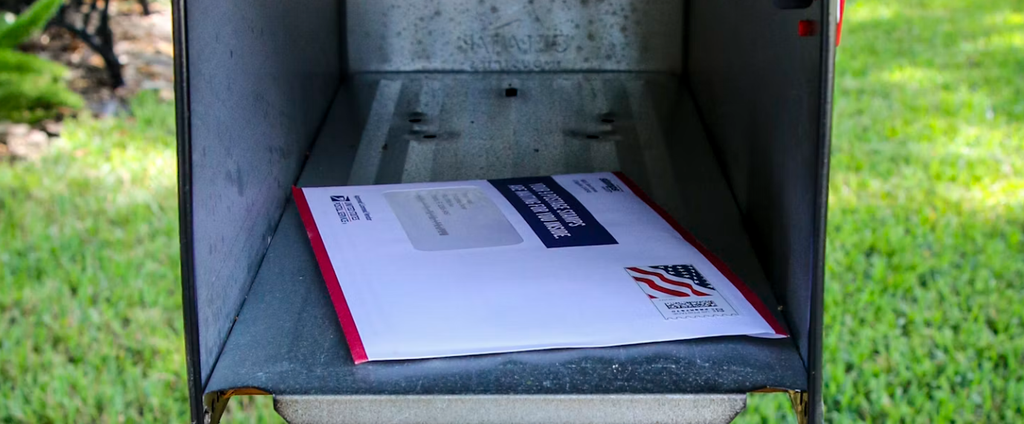
Then work through the less exciting address changes: USPS, banks, credit cards, insurance, employer records, healthcare providers, schools, voter information, subscriptions, and any recurring deliveries. If you moved within Michigan, this step is still worth doing carefully.
Learn Your Home’s Seasonal Maintenance Rhythm
Grand Rapids gets four distinct seasons, and your house feels all four of them. If you moved from a milder climate, home maintenance may be one of the bigger adjustments. Know where your snow shovel is before the first storm. Learn whether you need to disconnect exterior hoses. Pay attention to gutters, leaves, furnace filters, and any winterization items your inspector or previous owner flagged.
You do not need to become a West Michigan weather expert in seven days. You just want to avoid learning everything during the first icy morning.
Week 2: Get to Know Your Grand Rapids Neighborhood
By week two, start looking beyond your front door. One of the best parts about living in Grand Rapids is that neighborhoods can feel surprisingly different from one another, even when they are only a few miles apart. Your daily experience will be shaped by the streets you use, the businesses you pass, the parks nearby, and the time it actually takes to get where you go most often.
Drive or Walk the Area at Different Times of Day
A neighborhood on Saturday afternoon may feel completely different at 7:45 on a weekday morning. Take a few intentional drives or walks during rush hour, school pickup, evening, and the weekend. Notice where traffic stacks up, where people walk dogs, which streets feel busy, and which routes you naturally prefer.
Grand Rapids traffic is manageable compared with many larger metros, but construction, school traffic, winter weather, and a few predictable corridors can still change a commute. Our guide to Grand Rapids traffic gives a little more context for what local drive times actually feel like.
Learn Your Neighborhood, and the Communities Around It
Newcomers quickly discover that local geography comes with its own vocabulary. Eastown, Creston, Heritage Hill, Alger Heights, West Grand, and Fulton Heights are city neighborhoods. East Grand Rapids, Ada, Cascade, Grandville, Rockford, and other nearby areas are separate communities or municipalities with their own identities.
That distinction matters because schools, property taxes, municipal services, commute patterns, lot sizes, and the general feel of daily life can change from one community to the next. Browse our Grand Rapids communities pages for a local overview, or use our guide on how to choose the right neighborhood in Grand Rapids if you are still figuring out which area best fits your lifestyle.
Find Four Places That Make the Area Feel Familiar
Give yourself a simple mission: find one coffee shop, one park or trail, one easy dinner spot, and one place you would happily spend a Saturday morning. It sounds small, but those are the places that start turning an unfamiliar zip code into your neighborhood.
If you need ideas, start with the parks of Grand Rapids or browse our roundup of local Grand Rapids coffee shops. The goal is not to race through a bucket list. It is to find a few places you actually want to return to.
Week 3: Start Living Like a Grand Rapids Local
Week three is when the move can start feeling less like a project and more like normal life. This is also the point where Grand Rapids begins to make more sense as part of a larger West Michigan lifestyle rather than just a city on a map.
Explore Beyond the Tourist Stops
Downtown is worth exploring, but do not make the mistake of treating Grand Rapids like a checklist of attractions. Spend time in neighborhood business districts. Try a farmers market. Walk a residential area. Go to a community event that is not designed primarily for visitors.
The city has recurring festivals, arts events, races, markets, and seasonal traditions that become part of the local calendar. Our guide to the biggest events in Grand Rapids every year is a good way to see what is coming up.
Learn How Grand Rapids Weather Changes the Routine
Michigan weather influences more than what you wear. It affects driving, yard work, weekends, home maintenance, exercise, and sometimes your entire social calendar. Locals tend to squeeze a lot out of a good summer day, appreciate fall while it lasts, and learn to keep a scraper in the car before winter arrives.
For the bigger seasonal picture, see our guide to Grand Rapids weather year-round. If your first West Michigan winter is coming up, the Grand Rapids winter living guide goes deeper into what to expect.
Plan Your First Lake Michigan Day Trip
One of the things newcomers often underestimate is how quickly Lake Michigan can become part of normal weekend planning. A beach day, sunset drive, or dinner near the lakeshore does not need to be a once-a-year vacation. For many people in Grand Rapids, it is simply what you do when the weather is good and you have a free afternoon.
If you have not picked a destination yet, our guide to the best Lake Michigan beaches near Grand Rapids can help you choose your first trip west.
Week 4: Build Your Grand Rapids Routine and Community
By week four, the goal is not to know everything. It is to have a routine. A city starts feeling like home when you stop needing directions for every errand, recognize a few faces, and have places you go because you like them, not because Google told you they were nearby.
Find One Recurring Activity
If you want to meet people, consistency usually works better than one-off events. Join a rec league, run club, fitness class, volunteer group, professional organization, neighborhood association, hobby group, parent group, or faith community. Pick something that meets regularly so you see the same people more than once.

Pick a Few Places to Become a Regular
You do not need to know every restaurant, brewery, park, or coffee shop in the city. In fact, becoming a regular at two or three places is often more useful than trying 40 places once. Familiarity is what changes a new city from interesting to comfortable.
Learn the Local Cultural Shortcuts
By now, you will probably have noticed a few Grand Rapids patterns: people talk about neighborhoods a lot, “West Michigan” is a real identity, Lake Michigan comes up in weekend plans, the weather is a legitimate conversation topic, and supporting local businesses is more than a marketing slogan here.
We cover those unwritten habits in more detail in Grand Rapids Culture & Etiquette for Transplants. Add the published URL here once that companion article is live.
By Day 30: Your “Settled in Grand Rapids” Checklist
You do not need to have the city figured out by day 30. But if most of the items below are checked off, you are well on your way.
- Michigan license, vehicle, and address-update tasks are completed or scheduled, as applicable.
- Utilities and recurring home services are confirmed.
- You know your trash and recycling schedule.
- You have a grocery store, pharmacy, urgent care, and hardware store in mind.
- You have explored your neighborhood at more than one time of day.
- You have found at least one park, trail, coffee shop, restaurant, or local business you want to revisit.
- You understand the basics of Grand Rapids weather and winter preparation.
- You have planned or taken a Lake Michigan or West Michigan day trip.
- You have identified one recurring activity, group, or community connection.
Frequently Asked Questions About Moving to Grand Rapids
What should I do first after moving to Grand Rapids?
Start with the practical items that affect daily life: utilities, trash and recycling, internet, address updates, and the basic systems in your home. Once those are handled, spend the next couple of weeks learning your neighborhood and normal commute patterns.
What should a new Michigan resident update after moving?
Review the current Michigan requirements for your driver’s license or state ID, vehicle title and registration, and insurance. Also update your mailing address, financial accounts, employer, healthcare providers, voter information, and other records that still point to your previous address.
Do I need a car to live in Grand Rapids?
It depends on where you live and work. Some downtown and nearby neighborhoods are more walkable, but many residents rely on a car for commuting, errands, and getting around the broader metro area. Your transportation needs should be part of the neighborhood decision before you move.
The Rapid provides regional bus service, and the free DASH circulates downtown, so some residents can manage without a car depending on their home, work, and routine. Many people, especially outside walkable central neighborhoods, still find a car practical for errands and metro-wide travel.
What should I know about my first winter in Grand Rapids?
Plan for snow, ice, colder temperatures, and shorter daylight hours. Keep a snow brush and ice scraper in the car, give yourself more stopping distance, and learn your home’s winter maintenance basics before the first major storm. The winter is much easier when you are prepared for it instead of reacting to it.
How long does it take to feel settled after moving to Grand Rapids?
There is no set timeline, but most people feel more comfortable once daily errands become automatic and they have a few familiar places and routines. The first 30 days are less about knowing the entire city and more about creating a dependable home base.
Still Planning Your Move to Grand Rapids?
If you are reading this before the moving truck arrives, that is even better. The neighborhood you choose will shape a lot of the day-to-day details on this checklist, from commute time and walkability to schools, parks, lot size, and the places you naturally become a regular.
Explore May Group’s resources for relocating to Grand Rapids, browse homes for sale in Grand Rapids, or reach out to our team when you are ready to talk through which part of West Michigan fits the way you want to live.