
What to Know Before Moving to Grand Rapids
If you’re weighing a move to West Michigan, there are a handful of things to know before moving to Grand Rapids that almost nobody mentions until you’re already unpacking boxes. From how far your commute can actually stretch to what your grocery bill will look like, here’s what locals wish newcomers knew from the start.
What Surprises Newcomers About Grand Rapids?
The biggest surprise for most transplants is how far you can live from downtown and still have an easy commute. In most major metro areas, a 30-minute drive barely gets you past the city limits. In Grand Rapids, that same 30 minutes can put you in a completely different world: a small town, a few acres of land, even a lake in your backyard, and you’re still only half an hour from downtown.
That means buyers coming from bigger cities can often trade a slightly longer drive for more land and more house for their money, a tradeoff that rarely exists in places like Chicago, Los Angeles, or New York.
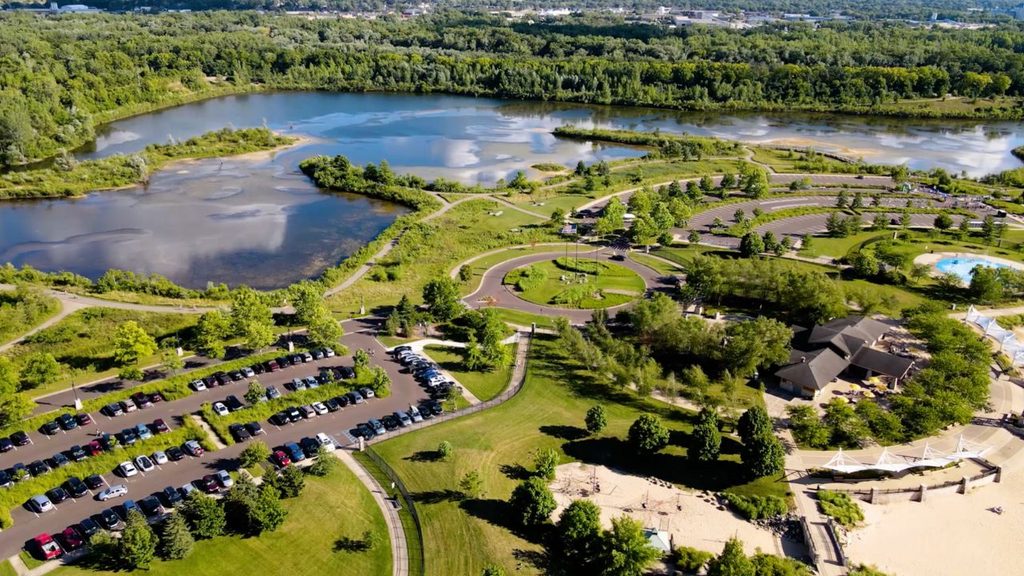
Outdoor access is another one people underestimate. This isn’t a “drive an hour on the weekend” kind of setup. The Grand River runs right through downtown and fills with steelhead and salmon every fall and spring, so fly-fishing minutes from the office is a real thing here, not a novelty. Add in dozens of inland lakes for boaters, Lake Michigan beach towns like Grand Haven and Saugatuck just 45 minutes to an hour away, and wooded hiking trails at spots like Millennium Park, Almont Park, and Provin Trails, and outdoor living becomes part of everyday life rather than an occasional getaway.
How Is Traffic and Getting Around?
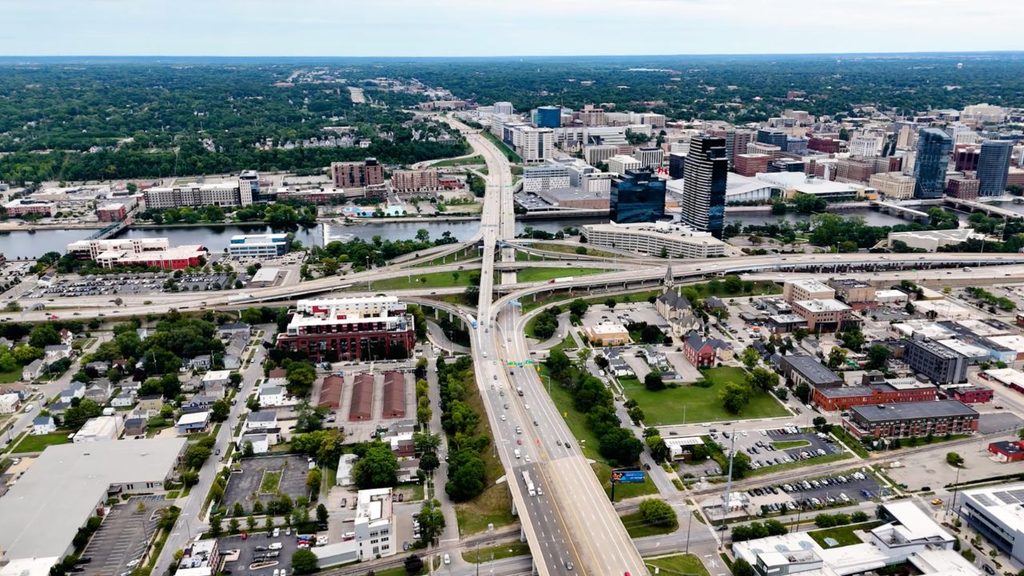
Compared to major metros, getting around Grand Rapids is refreshingly simple. Average commute times run around 20 to 22 minutes, and there’s nothing close to the gridlock drivers deal with in Chicago, LA, or New York. That shorter, more predictable commute is part of why the “reasonable commute radius” stretches so much further here than in most big cities.
The biking community adds another layer to how people get around and explore the area. Grand Rapids has been ranked among the most bike-friendly cities in the country, and the infrastructure backs it up. The Grand River Greenway is on track to link more than 80 miles of trail from downtown all the way to Lake Michigan, and there are mountain bike systems with over 100 miles of singletrack nearby. Group rides are easy to find and join, and they’re one of the best ways to actually learn the city and its surrounding areas rather than just commuting through them.
Flying in and out is a quiet win too. Gerald R. Ford International Airport offers nonstop service to more than 35 destinations across seven airlines, so a connecting flight often isn’t necessary. On a normal travel day, you can arrive about 45 minutes before boarding, move through security without a wait, and still have time to grab coffee before your flight. That’s a meaningfully different experience than navigating O’Hare or Atlanta, especially if you travel a few times a year.
What About Cost of Living?
Cost of living is one of the more practical things to know before moving to Grand Rapids, especially if you’re relocating from a coastal city or another major metro. Overall, the cost of living here runs meaningfully below the national average. Everyday groceries run about 10% below the national average, and utilities, healthcare, and transportation all land close to national averages, without the metropolitan surcharges you’d expect elsewhere.
Housing is the category to watch closely right now. The average home sale price in the Kent County area is currently around $400,000, and homes are moving fast, averaging about six days on the market and often selling above the asking price. It’s still far more affordable than Chicago, Denver, or either coast, but it’s no longer the bargain it was a few years ago. That’s worth knowing before you start house hunting, not after you’ve already lost out on a few offers.
The Bottom Line
Grand Rapids offers a rare combination for a mid-sized city: short commutes, easy access to outdoor recreation, a genuinely convenient airport, and a cost of living that still gives your money real purchasing power. Housing prices are rising and moving quickly, so the earlier you start planning, the more options you’ll have.
If you’re seriously considering the move, talking with a local real estate expert who knows the neighborhoods, the market pace, and the trade-offs firsthand can save you a lot of trial and error. Reach out to The May Group at RE/MAX of Grand Rapids to talk through what your move could look like.