
Moving to Michigan: A Complete Guide for 2026
Relocating to a new state is never just a financial decision. It’s a lifestyle decision.
If you’re considering moving to Michigan in 2026, you’re likely weighing cost of living, weather, job opportunities, taxes, schools, and long-term real estate value. You may also be asking quieter questions — What does daily life actually feel like here? Will this fit my family? Is this a place we can stay long term?
Michigan is not one single experience. It’s a state of regions — lake towns, college communities, manufacturing hubs, growing cities, and rural stretches of land that feel miles removed from urban energy. Understanding those differences is essential before choosing where to land.
This guide walks through what serious buyers and relocating families should know before making the move.
Why People Are Moving to Michigan in 2026
Michigan has seen steady inbound migration from higher-cost states, particularly among buyers leaving the coasts or relocating within the Midwest. The primary driver is value — but value means different things to different people.
For some, it’s the ability to purchase a 3,000-square-foot home for what a small condo costs elsewhere. For others, it’s access to water, four-season recreation, and a slower pace without sacrificing professional opportunity.
Grand Rapids, Ann Arbor, and parts of Metro Detroit continue to attract professionals in healthcare, education, technology, and manufacturing. Remote workers are also increasingly choosing West Michigan for its affordability and access to outdoor lifestyle without major metropolitan density.
Michigan appeals to people who value balance — career opportunity without extreme housing costs, natural beauty without resort-town pricing, and strong communities without relentless growth pressure.
It is not a boom-and-bust relocation state. It is a steady, long-term lifestyle state.

Cost of Living in Michigan
One of the first questions relocating buyers ask is whether Michigan is truly affordable. The answer depends on where you’re coming from — but compared to many coastal and Sun Belt markets, the answer is often yes.
Housing Costs
Housing remains one of Michigan’s strongest advantages. While certain areas — particularly Ann Arbor and parts of East Grand Rapids — command premium pricing, many markets still offer relative accessibility.
Statewide median home values remain below national coastal averages. In West Michigan and suburban Detroit markets, buyers often find more square footage and larger lots for their budget compared to high-growth southern or western states.
That said, inventory in desirable school districts remains competitive. Michigan is affordable, but desirable neighborhoods are still in demand.
Property Taxes
Michigan’s property tax structure is unique and important to understand.
When a home changes ownership, the taxable value often resets closer to assessed market value. This can result in a noticeable increase in property taxes after purchase — something relocating buyers should budget for carefully.
Homestead exemptions are available for primary residences, and property tax rates vary significantly between cities and townships. For example, living within city limits may carry additional local income taxes, while township properties may not.
Understanding this distinction before purchasing is critical to avoiding surprises.
Utilities, Insurance & Everyday Expenses
Michigan winters mean heating costs matter. Natural gas heating is common, and winter utility bills can be higher than southern states, though they are often offset by moderate summer cooling costs.
Auto insurance rates in Michigan tend to be higher than national averages due to the state’s no-fault insurance structure. This is one area that frequently surprises new residents.
Groceries, healthcare, and everyday goods generally fall near or slightly below national averages depending on region.
Below is a simplified cost comparison:
| Category | Michigan | Higher-Cost Coastal States |
| Median Home Price | Moderate | High |
| Property Taxes | Moderate–High | Varies |
| Car Insurance | Higher | Moderate |
| Utilities | Seasonal Variance | Moderate |
Best Places to Live in Michigan (By Lifestyle)
Michigan is highly regional. Where you choose to live dramatically shapes your experience.
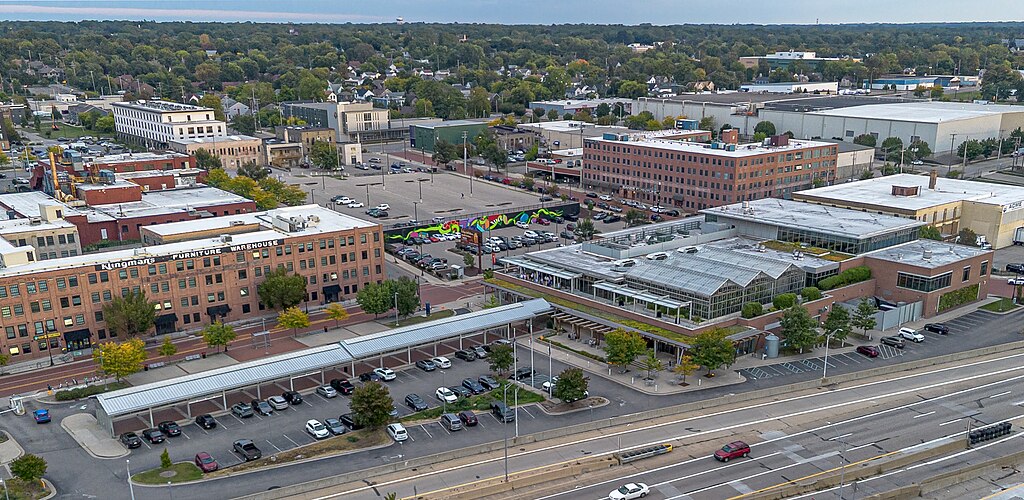
Grand Rapids & West Michigan
Grand Rapids offers a strong balance between professional opportunity and lifestyle. It’s large enough to support healthcare systems, universities, and growing business sectors — yet small enough to remain navigable and community-oriented.
West Michigan also benefits from proximity to Lake Michigan, offering beach access and lake-town energy within short drives.
Ann Arbor
Ann Arbor centers around the University of Michigan and carries a more academic, progressive atmosphere. Housing costs are higher, and demand remains strong. It appeals to professionals in education, research, and tech.
Metro Detroit Suburbs
While Detroit proper continues revitalization efforts, many relocating families choose suburban communities such as Novi, Rochester Hills, or Troy for schools and corporate proximity.
Northern Michigan & Lake Towns
Traverse City, Petoskey, and surrounding lake regions attract those prioritizing scenery and lifestyle over proximity to large employment centers. These markets can be more seasonal and may carry higher price-per-square-foot due to second-home demand.
Michigan works best when your chosen region aligns with your lifestyle priorities.

Michigan Weather: What to Expect Year Round
Weather is one of the most defining aspects of living in Michigan. It’s important to approach it realistically.
Winter
Michigan winters are real. In West Michigan, lake-effect snow can create heavier snowfall totals, particularly near Lake Michigan.
However, infrastructure is prepared. Roads are plowed regularly, schools and businesses operate reliably, and winter driving becomes routine for residents.
Proper tires and winter preparedness are part of daily life.
Spring & Fall
Spring and fall are often considered Michigan’s best-kept secret. Fall colors are exceptional, and spring brings dramatic seasonal transitions.
These transitional seasons can be unpredictable — but they offer some of the most enjoyable weather of the year.
Summer
Summers are mild compared to southern states. Temperatures typically allow for outdoor activity without extreme humidity.
Lake season is a defining feature of Michigan life. Boating, beach access, and inland lake living shape summer routines statewide.
Michigan Job Market & Major Industries
Michigan’s economy is diversified beyond its automotive history.
Major industries include:
- Manufacturing
- Healthcare
- Higher education
- Logistics
- Technology
- Automotive engineering
Grand Rapids, in particular, has seen healthcare expansion and business growth in recent years. Ann Arbor continues to draw tech and research talent. Metro Detroit remains a corporate center.
Remote work has also allowed professionals to live in Michigan while working for companies headquartered elsewhere.
Employment stability varies by region, but Michigan is no longer a single-industry economy.
Schools & Education in Michigan
School quality varies widely by district, making neighborhood research critical.
Michigan allows “School of Choice” options in some districts, though availability varies. Strong public school systems exist in areas such as Forest Hills, East Grand Rapids, and Novi, among others.
The state also offers numerous higher education institutions, including:
- University of Michigan
- Michigan State University
- Grand Valley State University
Relocating families should evaluate district boundaries carefully before purchasing, as they can significantly influence resale value.
What Surprises People When They Move to Michigan
Many relocating buyers share similar surprises after moving.
Seasonal road construction is common due to freeze-thaw cycles. Car insurance premiums are often higher than expected. Winter driving requires adjustment.
However, many also find unexpected positives:
- Strong community involvement
- Access to water and green space
- Less congestion than major metros
- Stable housing markets
- A culture that values family and community
Michigan does not attempt to be flashy. It is practical, resilient, and steady.
Buying Real Estate in Michigan: What You Should Know
Michigan’s housing stock varies in age. Many homes, particularly in established neighborhoods, were built decades ago and may include basements, older foundations, or original infrastructure.
Inspections are essential. Buyers should evaluate:
- Roofing
- Foundations
- Drainage
- Sewer lines
- Heating systems
Understanding the property tax reset rule is also critical when budgeting for your first year of ownership.
Seasonality impacts inventory. Spring and early summer typically see the most listings, while winter inventory may be more limited but sometimes less competitive.

Should You Move to Michigan?
Michigan is not for everyone.
If you prefer year-round warm weather, extreme urban density, or rapid population growth, it may not align with your priorities.
But if you value balance, affordability relative to space, seasonal beauty, community culture, and long-term stability, Michigan offers a compelling case.
The key is choosing the right region — and the right neighborhood within that region.
Relocating successfully requires more than browsing listings. It requires understanding how taxes, schools, commute patterns, and lifestyle factors interact.
If you’re considering a move to Michigan — particularly West Michigan or the Grand Rapids area — working with a local advisor who understands these nuances can make a meaningful difference in your experience.
Interested in moving to West Michigan? May Group Realtors can help you find the perfect home for your lifestyle.