
Rogue River Recreation Guide: Kayaking, Fishing, Trails and Parks in Rockford
The Rogue River is not simply something that runs through Rockford. It shapes how the town is laid out, where people gather, and what residents can do on a weeknight without leaving town.
| The Rogue River in Rockford supports kayaking, canoeing, fishing, walking, and cycling. The Rockford Dam divides it into an upper river known for trout and float trips and a lower river known for spring steelhead and fall salmon runs. Public parks and the White Pine Trail connect much of the corridor. |
Where the Rogue River Runs
The Rogue is a 42-mile river draining approximately 234 square miles in Newaygo and Kent counties. Its headwaters are a series of drainage ditches connected to the former Rice Lake bed in southern Newaygo County. From there, it flows south through the Sparta and Rockford areas before joining the Grand River. Michigan’s Natural Rivers program classifies the designated Rogue River mainstem from 20 Mile Road downstream to the Grand River, along with specified tributaries, as a Country-Scenic Natural River system.
The single most important fact for anyone planning to use it: the Rockford Dam splits the river in two. Above the dam is the upper Rogue, a well regarded trout fishery and the section used for float and canoe trips. Below it is the lower Rogue, the destination for anglers during the spring steelhead and fall salmon runs.
This is why “Rogue River access” is an imprecise phrase. Access above the dam and access below it are, in practice, two different rivers.
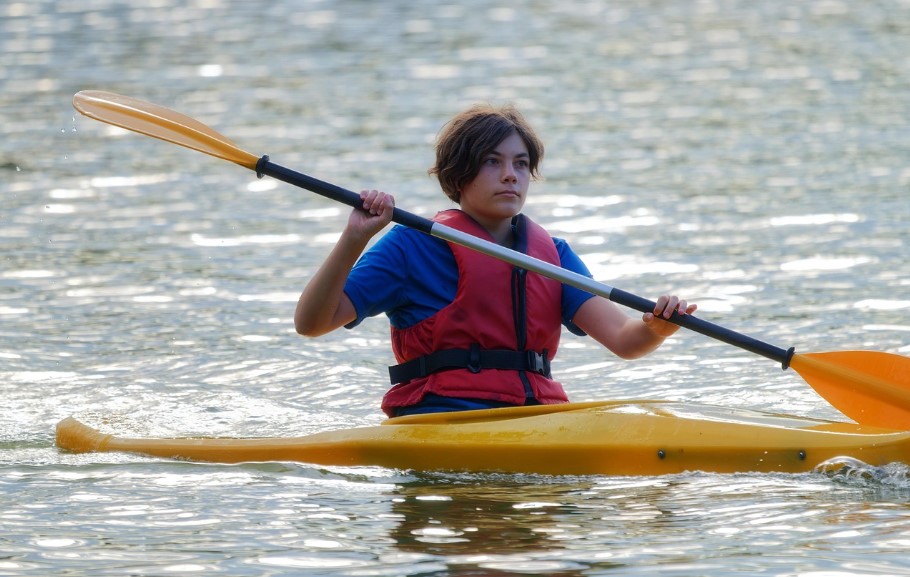
Paddling the Rogue River
| Before anything else: know where the Rockford Dam is and know where you are getting out. Do not plan a route that assumes you can float through downtown. Confirm your takeout before you launch, every single time. |
Many commonly used float routes near Rockford are located above the dam, but separate paddling routes and access points also exist downstream. Paddlers should never attempt to pass over or through the Rockford Dam and must confirm their launch and takeout locations in advance. Whether it suits you on any given day depends on water level, recent rain, fallen trees, your chosen route, and your experience. The river is not permanently beginner friendly and it is not permanently difficult. It changes, sometimes within a week.
Planning a trip comes down to five things:
- Choose the route before the launch. Distance, current, and the time you actually have should drive that decision.
- Sort the shuttle first. Two vehicles or an outfitter, arranged before you are standing at the water with a boat.
- Check level and forecast the morning of. Not the night before.
- Tell someone your route and expected finish time.
- Build in extra time. Downed trees are common on this river and add more time than people expect.
Bring a properly fitted personal flotation device, drinking water, secure footwear, a dry bag, sun protection, basic first aid supplies, and a route map.
On tubing: a tube gives you far less control than a kayak. Conditions that are comfortable in a boat are not automatically fine in a tube, float times vary widely, and every person in the group needs to know where the takeout is. Alcohol and moving water are a bad combination, and they are a worse one above a dam.
Fishing the Rogue River
The Rogue supports steelhead, salmon, brown trout, and rainbow trout, and the dam shapes where you find them. The upper river is known primarily as a trout fishery. The lower river, below the dam, draws anglers during the spring steelhead run and the fall salmon run, because the dam concentrates migratory fish movement.
Seasonally that means spring steelhead, warm season trout opportunities, fall salmon and steelhead activity, and limited winter angling where conditions and regulations allow. Runs vary year to year, so treat any specific week as a guess rather than a schedule.
Michigan anglers age 17 and older generally need a current fishing license. Younger anglers must still follow all applicable fishing regulations. Check current DNR rules before fishing. We recommend you check the Michigan DNR fishing regulations rather than relying on a blog post, including this one.
Etiquette on a river this narrow matters. Respect private property, avoid crowding other anglers, give paddlers room to pass, pack out line and tackle, and follow posted access and parking rules.
Trails and Parks Along the River
The Fred Meijer White Pine Trail is the anchor. It is a fully paved 92 mile state trail running from the Grand Rapids area north to Cadillac, and its Rockford section includes stretches beside the Rogue with direct access to downtown. It carries walkers, runners, cyclists, and strollers year round.
Garden Club Park sits near the river and the dam downtown, with gathering and performance space used for community programming. Farther south in Belmont, Kent County’s Rogue River Park offers a natural surface loop of roughly 1.25 miles through woods and along the river, mixing gravel, dirt, and boardwalk, with ponds along the way and a connection to the White Pine Trail.
A naming caution worth taking seriously: the White Pine Trail, the downtown riverfront paths, and the trails inside Rogue River Park are not the same thing, even though all three get called the Rogue River Trail casually. They differ in surface, location, and difficulty. Name the one you mean.
For a wider view of the region’s green space, see our guide to West Michigan parks.
Best Time of Year
| Season | Strongest activities | Main planning concern |
| Spring | Steelhead fishing, hiking | Cold water and fast, changing flow |
| Summer | Kayaking, canoeing, cycling | Crowds, storms, shuttle logistics |
| Fall | Salmon fishing, hiking, biking | Shorter daylight, colder water |
| Winter | Walking, cross country skiing | Ice, snow, limited facilities |
Check Conditions Before You Go
The USGS maintains a monitoring gauge on the Rogue River near Rockford, and NOAA publishes river forecast information for the same location. Look at current flow, gauge height, and, most importantly, the trend. A river that is falling behaves very differently than one at the same level that is rising.
| River conditions change quickly. Water level data does not replace local knowledge, appropriate equipment, or your own judgment. Confirm current conditions and public access before entering the river. Wear a personal flotation device, stay off private property, leave the water during lightning, and do not underestimate cold water in spring or fall. |
What Living Near the Rogue River Is Actually Like
For people who genuinely use it, the river stops being a destination and becomes part of the week. Morning walks. An after work ride on the White Pine Trail. Fishing before breakfast. A weekend paddle that does not require a drive. Walking downtown afterward instead of going home.
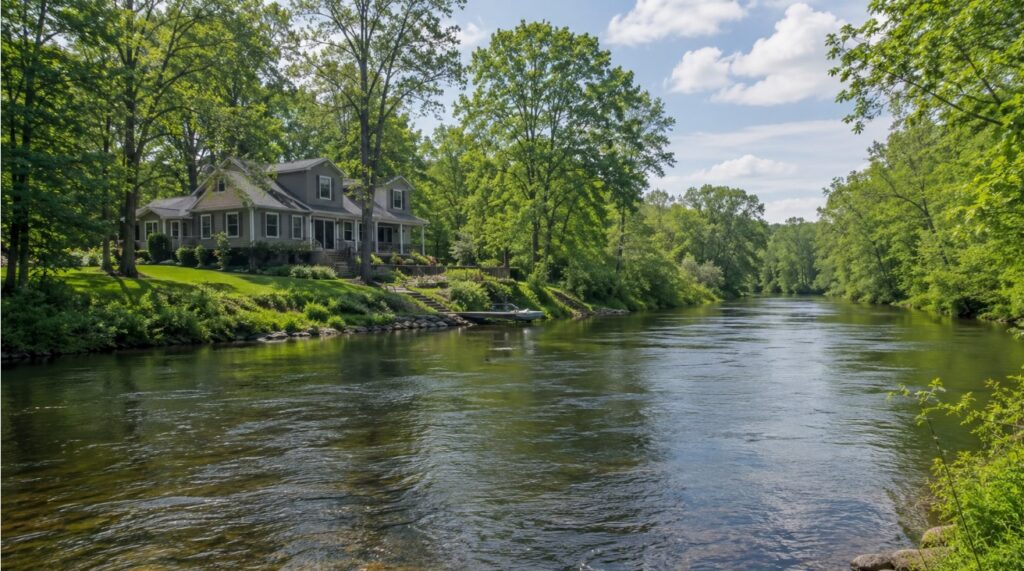
The thing buyers underestimate is how much this varies inside the same town. Living within walking distance of the river is a different daily experience than living a short drive from it, which is different again from having actual river frontage, which is different from having a Rockford address well outside the central recreational area. All four are sold as “Rockford.”
If you are considering a near water property, do the diligence early: review the floodplain maps and the seller disclosure, get an insurance quote before you are emotionally committed, and understand erosion, drainage, property boundaries, public activity levels, and who is responsible for maintaining what.
This lifestyle tends to fit people who regularly walk, ride, paddle, or fish, who want a smaller downtown, who do not mind seasonal activity near popular outdoor spaces, and who want nature access without moving far from Grand Rapids. If that sounds like you, it is worth comparing Rockford against other small towns near Grand Rapids, including Sparta upstream on the same river and Cedar Springs farther north on the same trail.
https://marketgrandrapids.com/blog/living-in-rockford-mi-lifestyle/Deciding whether Rockford fits your everyday life? Learn more!
The Rogue River is one of the clearest examples of what separates Rockford from other communities near Grand Rapids. Explore Rockford homes for sale or contact May Group Realtors to compare properties on the access and lifestyle that come with them, not just the address.
Frequently Asked Questions
Can you kayak the Rogue River in Rockford?
Yes. The upper Rogue, above the Rockford Dam, is the section used for kayaking and canoeing, but separate paddling routes and access points also exist downstream.
Overall suitability changes with water level, recent rainfall, and obstructions, so check conditions before every trip. Plan your takeout above the dam in advance and never plan a route that assumes you can continue through downtown. Paddlers should never attempt to pass over or through the Rockford Dam and must confirm their launch and takeout locations in advance.
Is there a dam on the Rogue River in Rockford?
Yes. The Rockford Dam sits in downtown Rockford and divides the river into the upper and lower Rogue. It is the most important safety consideration for anyone on the water. Know its location, know your designated takeout, and confirm current conditions before you launch.
What fish are in the Rogue River?
The Rogue supports brown trout, resident rainbow trout, migratory steelhead, and salmon. The upper river above the dam is known primarily as a trout fishery, while the water below the dam draws anglers during the spring steelhead run and the fall salmon run. A current Michigan fishing license is required for adults, while kids are still required to follow fishing regulations.
Is there a walking trail along the Rogue River?
Several, and they are not the same. The paved Fred Meijer White Pine Trail runs beside portions of the river through Rockford. Downtown riverfront paths connect the parks near the dam. Kent County’s Rogue River Park in Belmont offers a natural surface loop of about 1.6 miles. Check the surface type before you go.
Can you eat fish caught in the Rogue?
Fish-consumption advisories may apply to fish caught in the Rogue River. Review the latest Michigan Department of Health and Human Services Eat Safe Fish guidance before keeping or eating a catch, and avoid swallowing river foam.
Can you reach the White Pine Trail from downtown Rockford?
Yes. The trail passes directly through Rockford, which is a large part of why the town works so well for people who want to ride or walk without driving to a trailhead first. Access points and parking should be confirmed locally before the first visit.