
First-Time Home Buyer Questions Answered | Grand Rapids Real Estate
Buying your first home can feel overwhelming. You probably have a mountain of questions and aren’t sure where to begin. Our team, May Group Realtors at RE/MAX of Grand Rapids, with decades of experience, have heard it all, and we’re here to answer your questions.
Below are honest, practical answers to the first-time home buyer questions he gets most often.
How Do I Get Started Buying a Home?
Most first-time buyers’ instinct is to jump on Zillow, start browsing listings, and fall in love with a house, then figure out the finances later. That’s a setup for disappointment, especially in today’s competitive market.
The very first step is understanding your finances. That means sitting down with a lender before you do anything else.
A lender will look at your full financial picture, income, debt, credit score, and savings, and tell you exactly where you stand. That conversation does two critical things:
- It shows you your actual buying power — what a bank will actually lend you
- It may reveal areas to work on before you’re ready to buy (credit score, debt levels, savings)
Finding that out now, before you fall in love with a house, can save you real heartbreak.
What’s the Difference Between Pre-Approval and What You’re Comfortable Spending?
This is one of the most important distinctions in all of home buying. A lender might approve you for $450,000, but if that monthly payment keeps you up at night, it’s not the right number for you.
Know the difference between your ceiling and your comfort zone. When the time comes to make an offer, you’ll feel far more confident buying within a number that works for your life, not just your approval letter.
What Type of Lender Should a First-Time Buyer Use?
Ask your real estate agent for lender recommendations, specifically local lenders. What matters most isn’t the bank’s name; it’s finding someone responsive, experienced, and available when you need them (including weekends, when most home questions come up).
Your loan type also matters when identifying the right lender. Common loan programs for first-time buyers include:
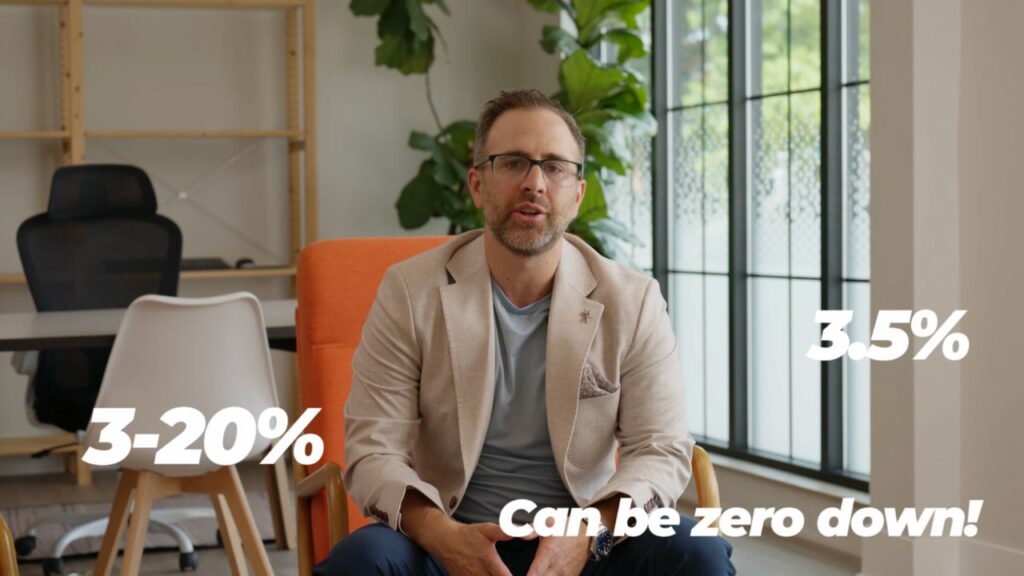
- Conventional loans — typically 3–20% down
- FHA loans — as low as 3.5% down
- VA loans — zero down for qualifying veterans
- USDA loans — zero down for qualifying rural properties
In multiple-offer situations, a well-known local lender can actually tip the scales in your favor. Listing agents recognize reputable lenders, and that familiarity builds confidence in your offer.
How Much Do You Need for a Down Payment?
Probably less than you think. Down payment requirements vary by loan type, but many first-time buyers are surprised to learn they don’t need 20% to get started:
- Conventional: 3–20% down
- FHA: as low as 3.5% down
- VA / USDA: potentially zero down if you qualify
Beyond the down payment, budget for closing costs (typically 2–5% of the purchase price), inspections, appraisals, moving costs, and potential immediate updates after move-in. A smart rule of thumb: budget for the house and the first 90 days of owning it.
What Is Earnest Money and What Happens to It?
Earnest money is a good-faith deposit, typically 1–3% of the purchase price, that shows the seller you’re a serious buyer. It goes toward your closing costs at the end.
Yes, in certain situations it can be at risk if you back out. That’s exactly why the contingencies in your purchase offer need to be carefully structured by your agent from the start.
How Long Does It Take to Buy a Home?
Once you have an accepted offer, about 30 days is typical in a standard market. That window includes inspections, appraisals, further negotiations, loan processing, and title work.
In competitive markets, speed matters. A strong lender should be able to close in two to three weeks if your finances are in order. The key: when your lender asks for documentation, don’t wait; get it to them immediately to keep things on track.
Do First-Time Home Buyers Really Need a Real Estate Agent?
Technically no, but going without one is a significant risk. If the seller has an agent, that agent represents the seller’s interests, not yours.
An experienced buyer’s agent knows how to write a competitive offer, what to watch for in disclosures, how to negotiate inspection items, and how to keep a deal together when things get complicated. First-time buyers especially benefit from having someone in their corner.
It’s also worth knowing: it’s not uncommon for the seller to cover part or all of the buyer’s agent’s commission. That means you can often get professional representation at no direct cost to you.
How Do You Know What to Offer on a Home?
Your agent should walk you through comparable sales, what similar homes have actually sold for recently, not just what they’re listed at. They’ll also factor in how long the home has been on the market, whether there are competing offers, and your personal priorities.
Price matters, but so do terms, your timeline, and your contingencies. A well-structured offer at slightly under asking can sometimes beat a higher offer with weaker terms.
What’s the Hardest Part of Buying a House?
Honestly? Managing your emotions. You’ll see homes you love and homes you hate. You may lose out on a house you were excited about. You’ll face quick decisions. Inspections may surface unexpected issues.
The process can feel like a rollercoaster, and that’s completely normal. Having a clear plan, a realistic budget, and a trusted agent in your corner makes an enormous difference when things get stressful.
What Are the Biggest First-Time Home Buyer Mistakes?
- Browsing listings before talking to a lender — sets you up for disappointment
- Maxing out your approval amount without understanding the monthly payment
- Underestimating closing costs and move-in expenses
- Skipping professional representation and going it alone
- Letting emotions drive the offer instead of strategy and comparable data
- Waiting too long to provide documentation to your lender, slowing the process
Should You Buy a Smaller Home First?
It depends on your timeline and long-term goals. A smaller ‘starter home’ can be a smart way to build equity and enter the market, especially if you’re not ready to commit to a forever home. The key question is: are you planning to stay in the area for a few years?
If you have stable income, manageable debt, a solid credit score, and a multi-year plan in the area, you may be ready, whether that’s a starter home or something larger. If you’re not quite there yet, your lender conversation will tell you exactly what to work on first.
Quick Recap: First-Time Home Buyer Checklist
- Talk to a lender first — before browsing listings
- Know your comfort zone, not just your approval ceiling
- Use a local, responsive lender your agent recommends
- Understand your loan options and down payment requirements
- Budget for closing costs, inspections, and the first 90 days
- Structure earnest money and contingencies carefully with your agent
- Work with an experienced buyer’s agent — it often costs you nothing
- Let comparable sales drive your offer strategy, not emotion
First-time home buying is one of the biggest decisions you’ll ever make. The buyers who approach it with a plan always have a better experience than the ones who wing it. Start with the lender, understand your finances, and then go find your home.
Have a question we didn’t cover? Or, ready to start the conversation about buying in the Grand Rapids area? Reach out to our team. We’d love to help.